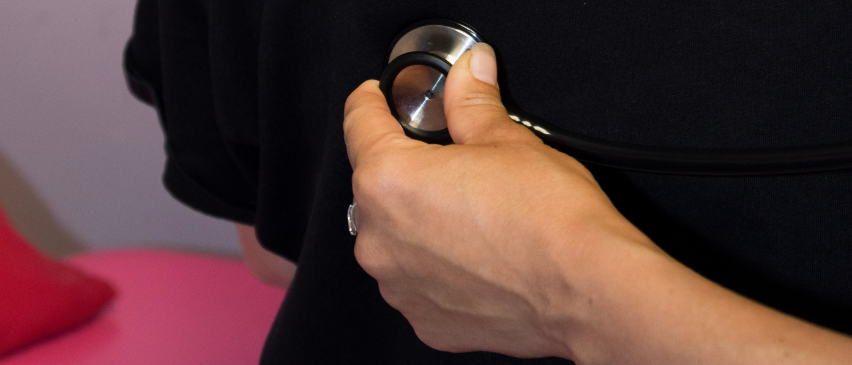

Visits to the hub increased last year but we know that some women aren’t able to step through our purple door. For some, it’s too far to travel to St Paul’s. For others, the circumstances of their lives make it difficult to plan and keep to a schedule.
So, we’ve started taking healthcare to the streets!
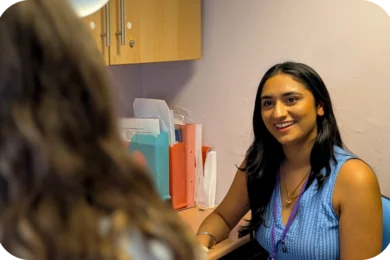
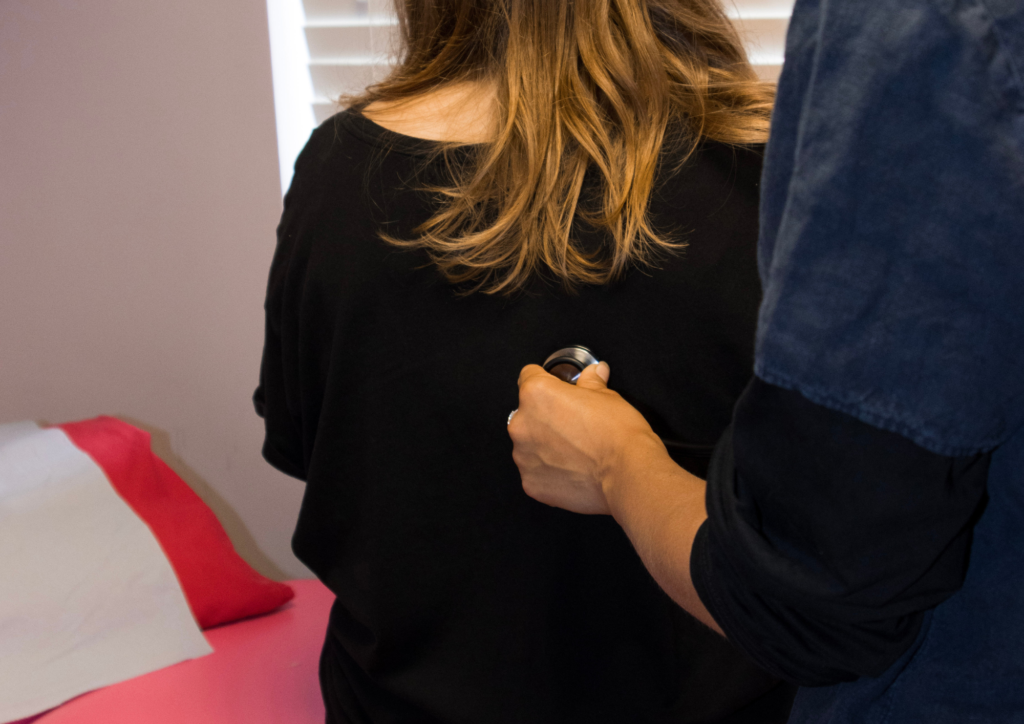
Dr Liz is employed by BrisDoc’s Homeless Health Service and visits the One25 hub every week to provide GP care for women. For the last year, she’s also been going out on our outreach van, meeting women while they’re street sex-working at night.
Over her last four shifts, Dr Liz has supported 16 women with urgent care needs including examining and dressing wounds, issuing prescriptions for antibiotics and giving pregnancy tests. She has also helped women register with health services so they can access daytime appointments and get prescriptions more easily in the future.
She told us: “women who aren’t coming to the hub aren’t getting any healthcare, which is why it’s so important to go out and reach them. When I set up new [patient] registrations, I can see that some women haven’t seen a doctor in years.”
"It’s all about reducing barriers to healthcare."
- Dr Liz
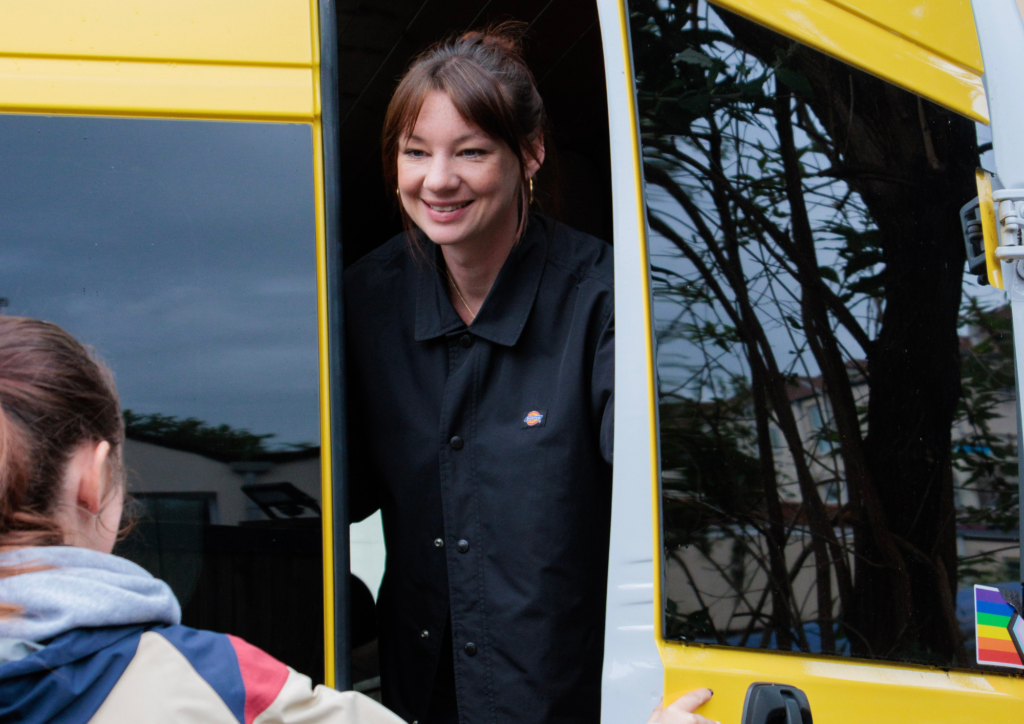
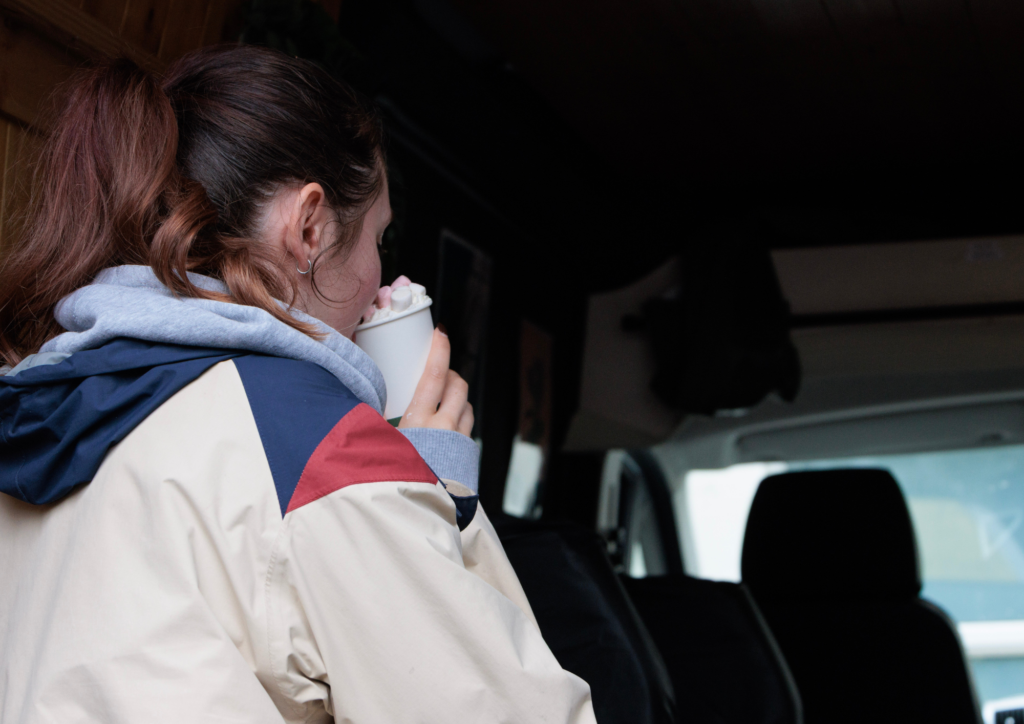
The women we meet on the van are street sex-working to survive: last year 100% faced poverty, 91% experienced addiction to drugs and/or alcohol and 86% were living with chronic physical ill health.
Sadly, these complex, interconnected challenges can lead to malnutrition and self-neglect – a lack of self-care that threatens women’s safety and health, such as not seeking care for injuries. Dr Liz observed: “being out on the van was really eye-opening. At the hub, we have a bit of a buffer from the reality of street sex work.”
We asked her about the biggest health challenges women are facing at the moment. She told us that the lengthy periods of hot weather have had a big impact.
For women taking antipsychotic medication to help manage mental health conditions, the hot weather can exaggerate risks to the heart, leaving them vulnerable to dehydration.
Hot weather can also exacerbate complications associated with taking the drug Spice (a drug containing one or more synthetic cannabinoids, which are designed to mimic the effects of cannabis). She says: “in the last six months we’ve seen two nasty batches of Spice – with several overdoses [in the city].”
Women’s reactions to seeing Dr Liz on the van have been overwhelmingly positive. Several women have begun accessing regular care and others have started coming to the hub during the day after not visiting for months. She observed: “it feels like we get new women coming to hub the Wednesday after our Saturday [shift].”
However, as a trauma-informed practitioner, she is always mindful that women may have had negative experiences with health professionals and this could impact their willingness to seek help. She is aware that women could see her as an “another authority figure”.
One25 Services Manager Linda reflected: “One25’s values include compassion, so meeting women where they are at is important and why we advocated for health professionals to come out on the van. Seeing Dr Liz interact with the women is a joy. She is warm and encouraging, helping women to start engaging and trust health professionals.”
“The main benefit is women seeing my face,” says Dr Liz. “Making them feel it isn’t too scary to see [me] in real life [in the hub]. It’s all about reducing barriers to healthcare.”
Self-neglect: NHS Safeguarding Guide
Spice: NHS Inform Scotland – Common Drugs